📍 Explore Campania:
Is Vesuvius active? When were the last major Mount Vesuvius eruptions? Is it erupting now, or will it erupt soon? Let us answer all of these questions and more in this guide with all the key information and guidance you could need.
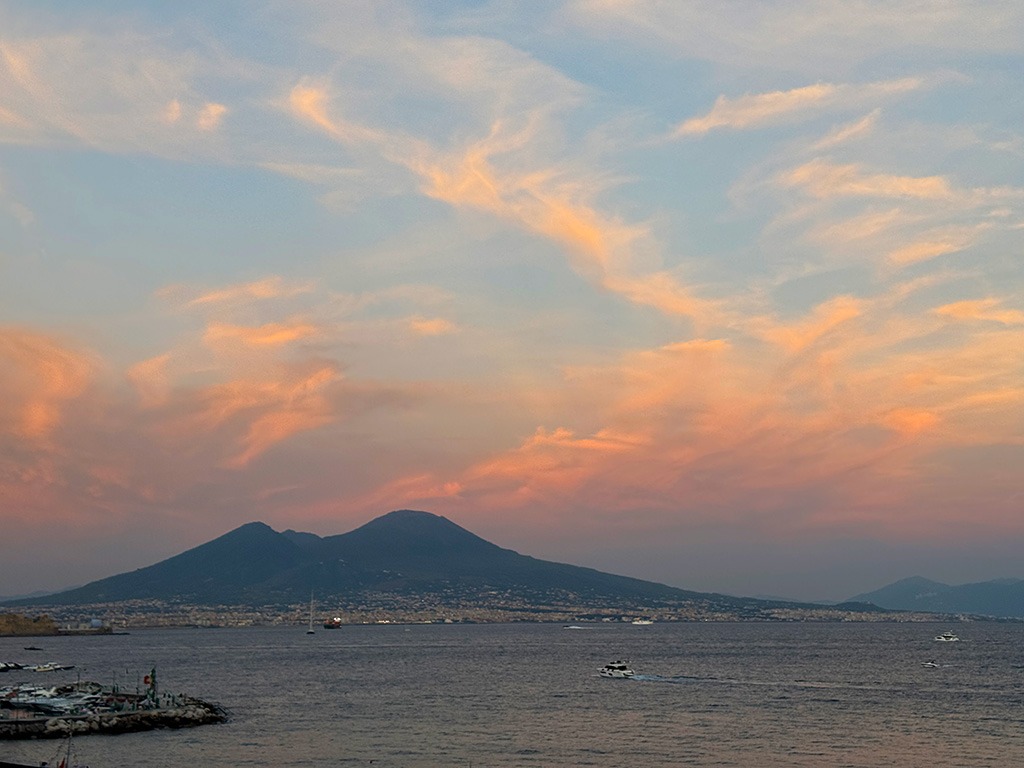
Vesuvius is nicknamed ‘The Boss’ by locals, and with good reason…
Everything You Need To Know About Mount Vesuvius Eruptions
When it comes to volcanoes, few are more famous than Mount Vesuvius in Campania. Its striking position in the Bay of Naples overlooking the city of Napoli and the wider region, makes Vesuvius the defining symbol of Campania.
There there is the history of Vesuvius, and in particular the eruption in which Pompeii and Herculaneum were destroyed in 79 CE, which makes this volcano fascinating to anyone interested in the majesty of nature and Italy’s past.
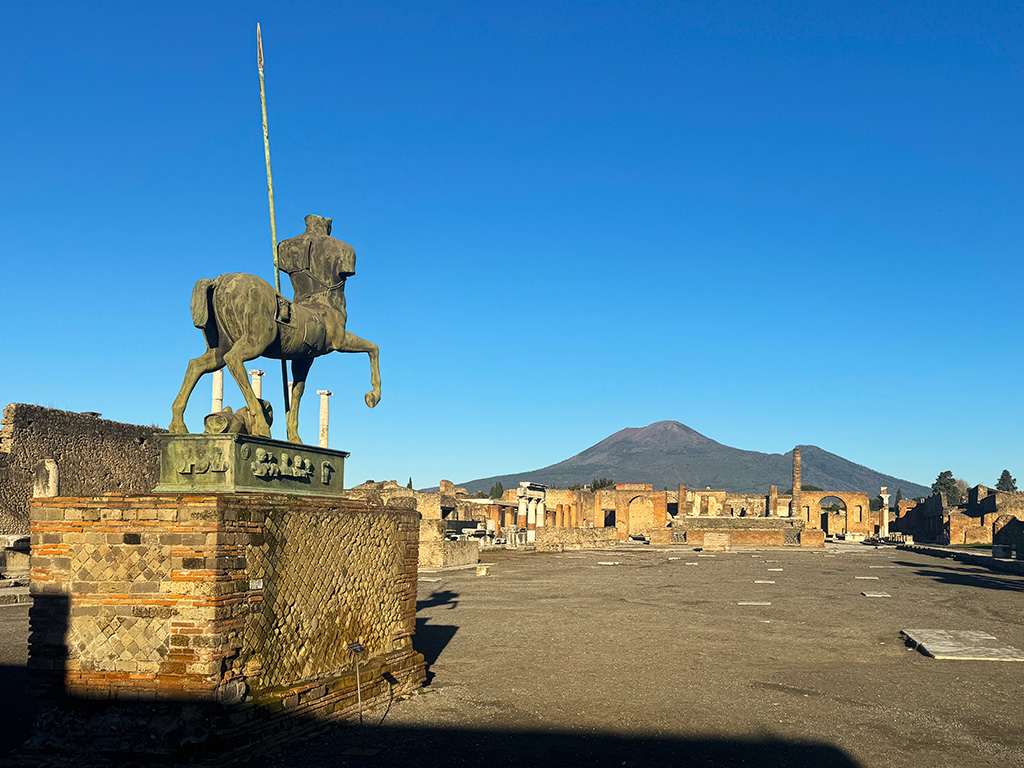
With Vesuvius we wouldn’t have such a deep understanding of how the ancient Romans lived, where the eruption of 79 CE perfectly preserved Pompeii and other towns in this area
We are asked questions about the volcano almost daily, which range from ‘is it safe to visit Vesuvius?’ to ‘when will the next eruption of Mt Vesuvius be?’. Being a major attraction for anyone coming to this part of Italy, we feel it is important all visitors coming here understand more about what locals refer to as ‘The Boss’.
In this guide I’ll cover:
An Introduction to Mount Vesuvius
Mount Vesuvius is a volcano located in the Campania region of southern Italy, around 15km from the city of Naples.
It is classed as a stratovolcano or composite volcano, with the peak of the mountain currently standing at 1281m above sea level.
The volcano is locally (within Naples and Campania) referred to as the ‘The Boss’. Neapolitans and Campanians consider Vesuvius to be in charge of their fate, and respect it hugely therefore. Historical Mount Vesuvius eruptions have killed thousands of people in this part of southern Italy and displaced thousands more, but also provided the land with incredibly fertile soil through the depositing of rich minerals.
This natural bounty in turn means Campanian produce is among some of the most flavoursome in Italy, rivalled only by Sicilian (in my opinion) with examples being the world-renowned San Marzano tomatoes and Sorrento lemons that grow here.

Vesuvius’ unique formation means it can look very different depending on where you are in Campania; our favourite view of the volcano is from Sorrento
Vesuvius is most famous for its 79 CE eruption which destroyed and buried the cities of Pompeii and Herculaneum in ancient history. This was documented by the famous Roman Pliny the Younger, nephew of Pliny the Elder, who lost his life during the events of that catastrophic eruption.
The volcano today sits at the heart of the Vesuvius National Park, a protected nature reserve which is home to a huge range of fauna and wildlife, providing scientists the opportunity to study both the volcano and its impact on the nearby environment.
If you are considering a visit to Mt Vesuvius, be sure to use our detailed guides which will share how to get to the volcano’s crater safely, as well as more travel tips and recommendations for the surrounding area:
Organize your transport easily and stress-free for any trip to Naples and Campania:
Everything you need to know about getting around Naples can be found here
Is Vesuvius an Active Volcano?
The short answer to this is ‘Yes’. While there has not been a significant eruption since 1944, Vesuvius is categorised as an active volcano, and it’s not uncommon for those visiting the crater to see signs of activity.
Visitors to the crater will often see small levels of activity, as shown in this video, and it’s not uncommon to smell sulphur close to the summit of Vesuvius
Vesuvius is one of the most closely watched volcanoes in the world. Vesuvius is one of several volcanoes within the Campanian volcanic arc, along with the Phlegraean Fields and the island of Ischia (along with other dormant and extinct underwater volcanoes in the Bay of Naples). Naples and the wider area is home to approximately 3 million people, so the potential impact on this part of southern Italy following a large eruption would be unprecedented.
Vesuvius and the surrounding area is monitored by the Vesuvius Observatory, where a team of expert volcanologists and other scientists keep a close eye out for warning signs and developments above and below ground that could signal an eruption is coming.
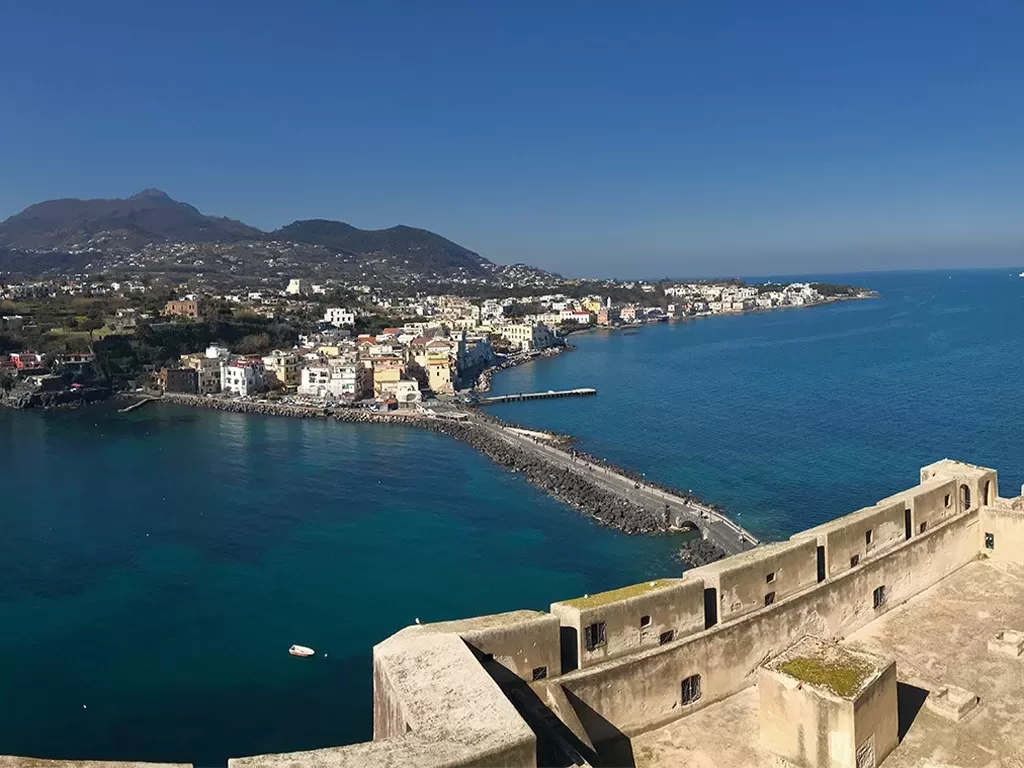
Vesuvius is just a small part of a larger volcanic system which includes Ischia (Mount Epomeo), the Campi Flegrei and Stromboli
There is an extremely advanced early-warning system in place, along with a multitude of evacuation plans, so while Vesuvius is active, a surprise major eruption is so unlikely as to almost be impossible.
Is Vesuvius Erupting Right Now?
As of this moment, Vesuvius is not erupting. But, as mentioned previously, there are frequent demonstrations of volcanic activity from the crater which can be observed when visiting and from afar.
In the event of an eruption this page will be updated and we will likely share any important news via our newsletter and social media channels.
You can also check out the official website of the Vesuvius Observatory, the Vesuvius National Park website and the Italian government’s department of civil protection site for more details on the current Mount Vesuvius eruption status and what to do in the event of increased activity.
When Will Vesuvius Erupt Next?
Predicting volcanic eruption is not straightforward, and the experts monitor a huge range of data points to try and predict when The Boss might next awaken. If you visit the crater of Vesuvius, it is possible to see various pieces of equipment recording tremors in the volcano, as well as the frequent emissions of gas.
It is commonly agreed that a major eruption is overdue based on Vesuvius’ history and previous frequency of eruptions. With this in mind, no expense is spared in monitoring the volcano, and should the experts believe that an eruption is imminent, this will be communicated via official channels first to Naples and Campania, then across Italy, before the wider world.
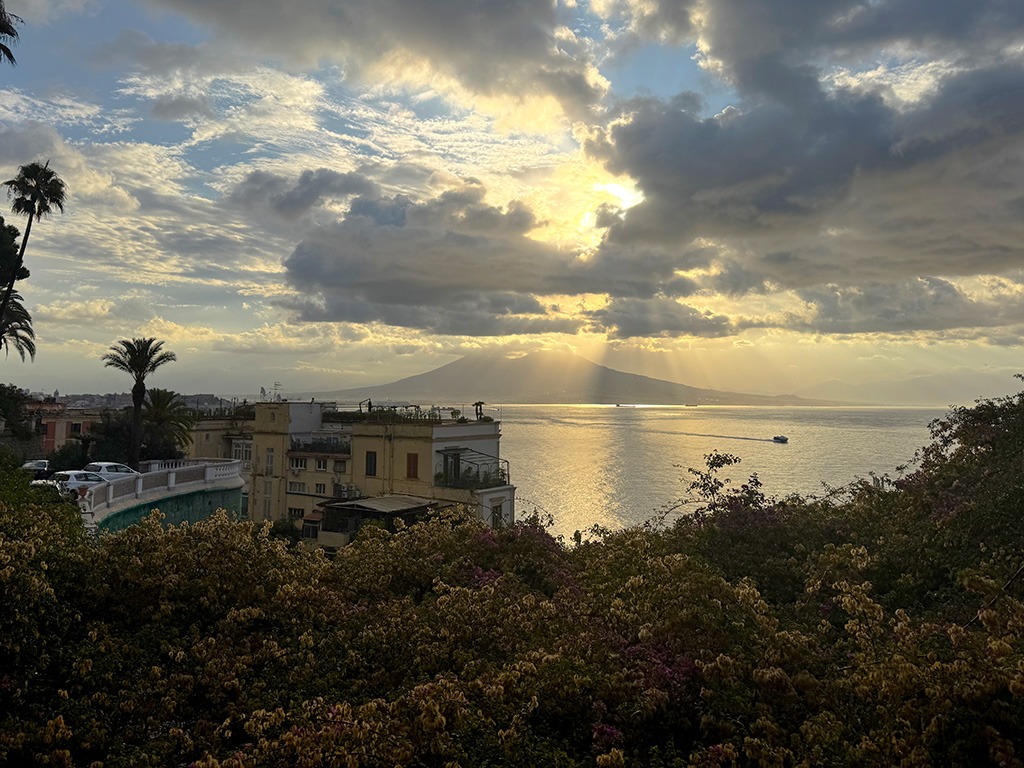
Vesuvius is currently peaceful, but remains officially active, meaning it could in theory begin erupting at any point
We have complete faith in the experts who are watching Vesuvius, and we are signed up to alerts from them ourselves. This means we will share any developments in the event of an eruption via our newsletter and social media channels.
Famous and Notable Mount Vesuvius Eruptions
Over the centuries and millennia there have been no shortage of Vesuvius eruptions, but some dates are more notable than others. Let’s look at the key dates and events in the history of Mount Vesuvius:
1944 Eruption
This eruption, often referred to as the ‘World War II eruption’, officially began in 1906 when Vesuvius emitted the largest volume of lava recorded during an eruption to-date. The activity continued on and off for nearly 40 years, impacting multiple people during the period. The 1908 Olympics that were due to be held in Rome had to be moved to London because the Italian state had to divert the resources to help those affected by the eruption.
The eruptive period continued until March 1944, where in the midst of World War II the volcano erupted violently. Lava flows spilled from the crater, destroying multiple villages and damaging US Air Force planes stationed nearby during the liberation of Italy.
During this period of volcanic activity the funicular cable car that previously carried visitors from the base of the volcano directly to the crater was severely damaged. This cable car was never rebuilt, where it was deemed too much of a risk of in the event of a future eruption.
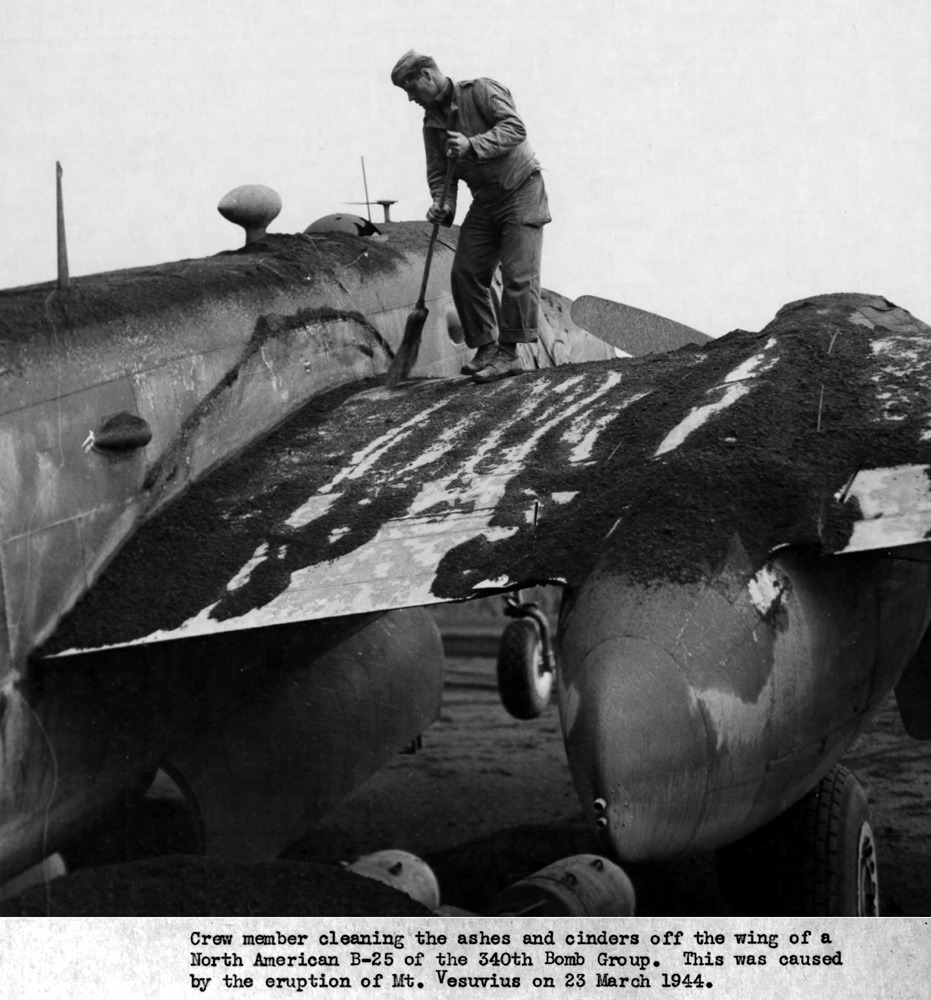
United States Army Air Force, Public domain, via Wikimedia Commons
This was the last major eruption of Mt Vesuvius, and interestingly coincided with one of the few times in recent history that the blood of San Gennaro failed to liquefy.
1631 Eruption
In the centuries leading up to this eruption Vesuvius had been largely inactive, with only a handful of sources mentioning minor levels of activity such as small landslides.
This period of inactivity meant that the slopes of Vesuvius were heavily forested by the 1600’s with an abundance of fauna and flora. Accounts from the time even mention that there were small lakes in the crater that local herders would use to graze their flocks.
The contrast of the preceding peaceful centuries and the violence of the eruption of the volcano during 1631 demonstrated not only to locals, but the wider world, that Vesuvius was very much still active nearly 1600 years after the destruction of Pompeii and Herculaneum.
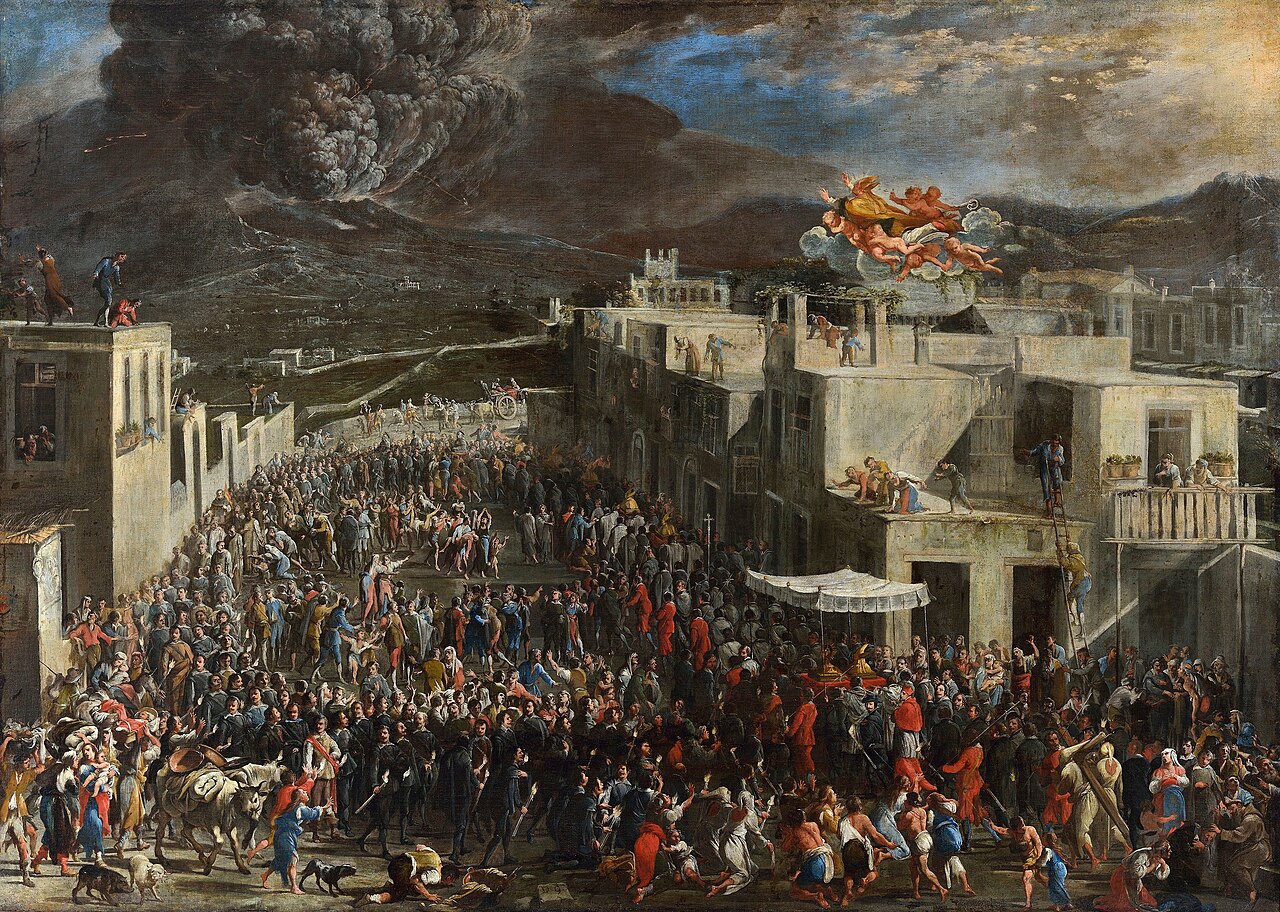
This dramatic painting by Domenico Gargiulo shows Vesuvius erupting during the 1631 eruption | Public domain, via Wikimedia Commons
This eruption of Vesuvius is particularly notable for the fact that it is tied to the history of Naples’ major patron saint, San Gennaro. It is said that the lava flows from Vesuvius were approaching Naples and that the people of the city believed only the saint could protect them from destruction.
San Gennaro’s blood was taken to the city gate that faced Vesuvius, where it miraculously liquefied and then even more miraculously, the lava flows stopped before reaching the city, saving Naples from disaster.
This famous event is now celebrated annually on December 16, as one of the three ‘Miracle of the Blood’ ceremonies at the Naples Duomo.
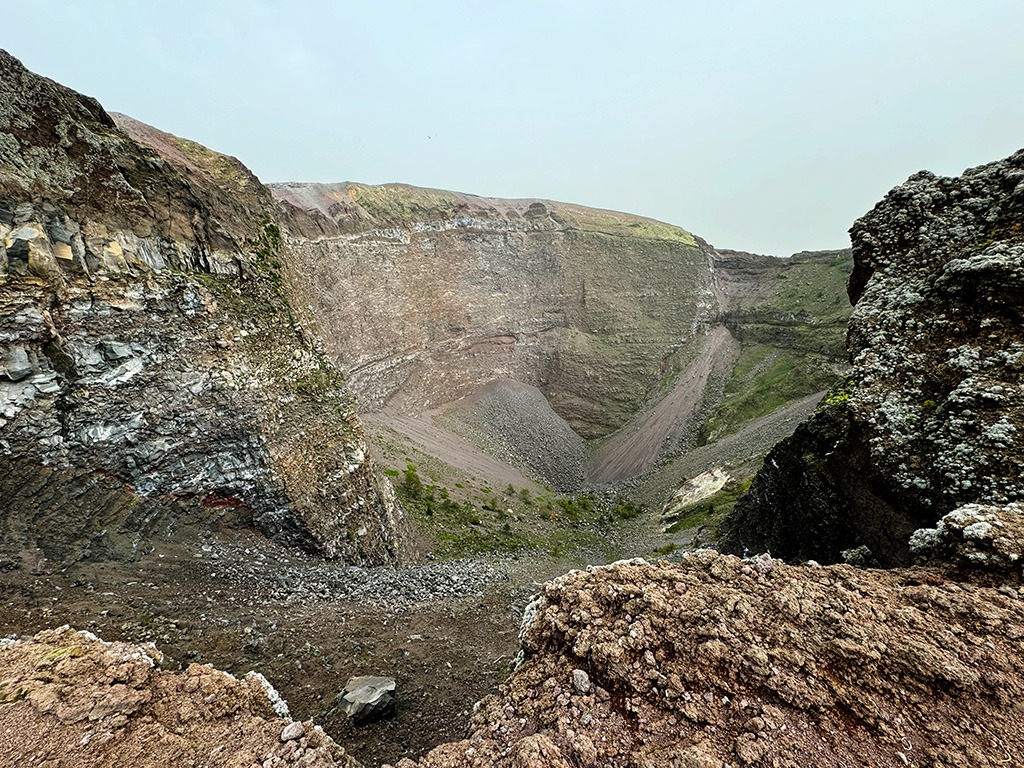
The current make-up of the crater of Vesuvius is largely as a result of the 1631 and 1944 eruptions
The 1631 eruption led to a huge interest in volcanoes within the European scientific community, marking the first time that concerted efforts were made to understand what caused volcanic eruptions. Up to this point people believed that volcanoes erupted at the will of gods, principally Vulcan (from whom volcanoes are named after) during ancient Roman times, who were showing their displeasure at something and then later the Christian God.
We have numerous paintings, descriptions, collections of rocks from lava flows, volcanic ash and more from this period, all of which have subsequently shaped volcanic studies.
79 Eruption
This is the most famous date in the history of Mount Vesuvius and its eruptions. It was this natural disaster that saw Vesuvius erupt with such force that a huge chunk of the mountain was blown off, along with the destruction of the ancient cities of Pompeii, Herculaneum and many other places in the area.
There had been warning signs (with the benefit of hindsight) in the lead up to this fateful event. There had been significant earthquakes in Campania in the decades prior. In fact, large parts of Pompeii had been destroyed by an earthquake only a few years earlier, and much of it was under reconstruction when Vesuvius blew in 79.
There is a common perception that this eruption saw the almost instant destruction of the immediate area, but this wasn’t the case. Much of what was buried in Pompeii was slowly buried over the course of 24 hours, a period that saw volcanic material which had been blown into the sky fall back to ground.


Prior to the eruption in 79 CE, records – both written and scientific – suggest that Mount Vesuvius was far taller, with a more conical shape. The force of that eruption blew a huge part of the volcano away, creating the shape we see today.
The exceptions to this were places like Herculaneum which were buried by fast-moving pyroclastic flows and surges – extremely hot trails of ash and other material that are ejected from volcanoes as pressure is released. These arrived in Herculaneum on the second day of the eruption, catching residents off-guard (those who hadn’t fled after seeing the eruption begin the day prior), with much of the town being buried and/or incinerated almost instantaneously.
One of the best sources we have for the 79 CE eruption of Mt Vesuvius are two letters written by Pliny the Younger to the historian Tacitus. In them, the younger Pliny described watching the eruption from across the Bay of Naples and how his uncle, Pliny the Elder, sailed toward the volcano to investigate and help those in danger. His account is the earliest known eyewitness record of a volcanic eruption.
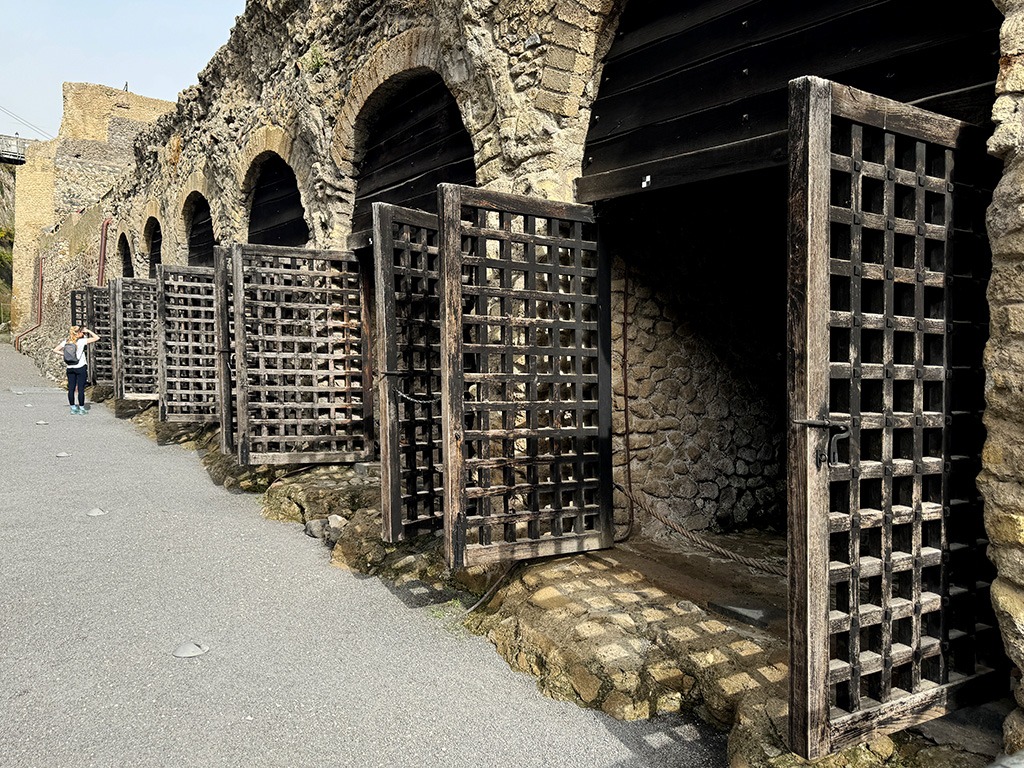
Many of those who perished at Herculaneum did so when fleeing the town, hoping to escape the pyroclastic flows by getting out on the water
Historically, most sources believed that the eruption occurred in August of 79 CE. Recent theories however suggest the most likely date could have been in October or November of that year, based on new archaeological evidence. The August date has been disputed following the discovery of charcoal graffiti in Pompeii dated later in the year, as well as coinage for the Roman empire that was most likely minted after August and evidence of the harvest having taken place already.
Regardless of when it happened, this catastrophic event caused untold damage to the immediate area, and had repercussions beyond Campania, impacting the wider Roman world.
If you enjoy historical novels and want to explore the history and legacy of Mount Vesuvius more, consider reading Pompeii by Robert Harris, author of Conclave and the Cicero Trilogy.
This book follows the life of various ancient Romans living in and near Pompeii at the time of the eruption, including the Plinys. Drawing inspiration from the original sources, this is a fun way of understand more about the most famous eruption of Mt Vesuvius.
Visiting Mount Vesuvius Safely
Is it safe to visit Mount Vesuvius?
I wish I had a euro/pound/dollar for every time we are asked this! In short, yes, it is completely safe if you use common sense and follow all the official guidance when you visit.
At this time, Mount Vesuvius remains available to visit for those wanting to get up close and personal with an active volcano, but the situation is assessed daily and access to the slopes and/or crater may be restricted at short notice because of adverse weather or volcanic activity.

The weather can change quickly around Vesuvius, because the volcano impacts clouds and air flow in Campania – be sure to keep an eye on your forecast app when planning a visit
There are many ways to visit Vesuvius (all of which we detail in this specific guide), but regardless of how you visit, there are three fundamental things to consider to ensure your safety, well being and enjoyment:
- Before visiting, and even on the day of your planned visit, be sure to check the status of the volcano via the official website here. In the event of potentially dangerous volcanic activity or weather conditions, this is your go-to reference.
- Always follow the signage closely in the Vesuvius National Park, and especially at the crater. Never forget this is an active volcano, so fences, paths and signs have been put in place to protect you from any potential hazards.

The crater of Vesuvius features easy to follow and sturdy pathways to make accessing this natural marvel straightforward and safe, as long as you follow the official guidance
- The paths up to the crater can be steep, uneven, and loose underfoot with volcanic material including pumice and volcanic ash. Sensible footwear is essential to avoid accidents and discomfort – you won’t believe how many times we have seen people trying to get to the crater wearing flip flops! The nature of the paths also makes visiting with a buggy/pram, or a wheelchair, very challenging.
For complete and detailed information about visiting Mount Vesuvius, refer to our dedicated guides here:
A tip that we learned many years ago (more than I’d like to admit), was that if you wake up the day of your planned visit to Vesuvius and the top is obscured by cloud, you should not make the trip.
Chances are that the cloud will remain through the day, and as such, the crater will either be closed, or visibility will be severely impaired. Better to reschedule in this case!
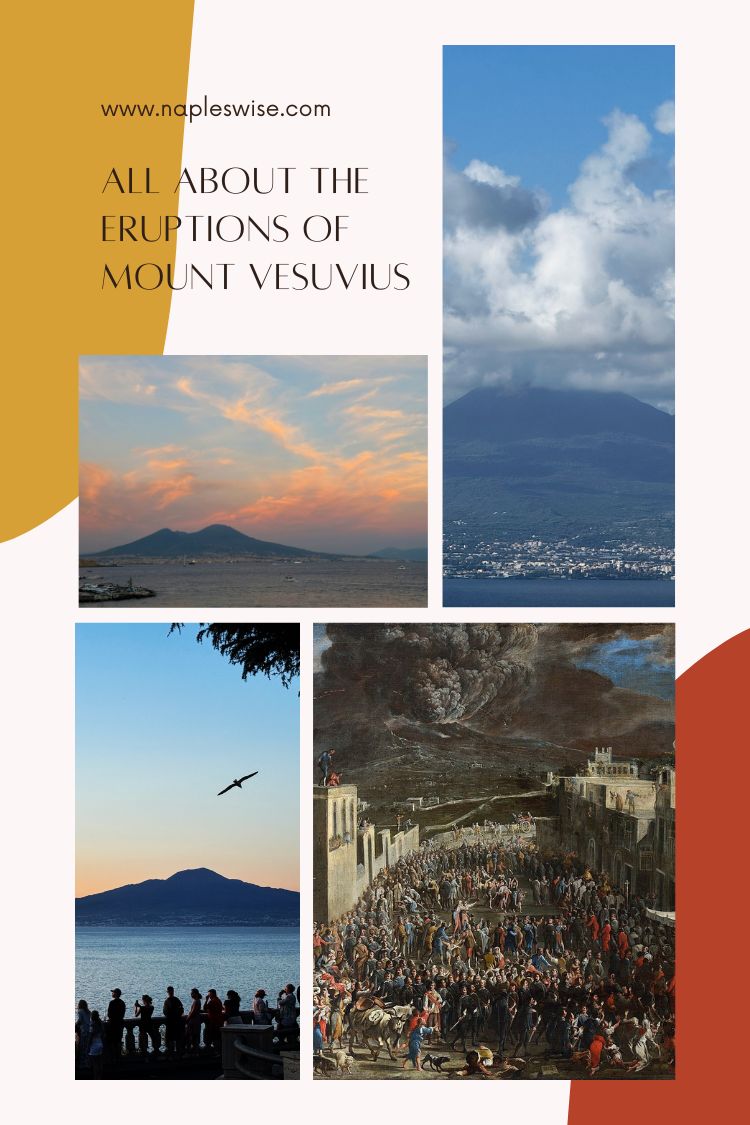
Be sure to Pin this guide if you enjoyed it or found it useful!
Save this page by pinning it and be sure to follow us on Pinterest for more travel inspiration and guides:
To sum up…
Understanding the history of Mount Vesuvius eruptions is crucial to the history of Naples and Campania. Knowing where to find official information in the event of more recent volcanic activity is also an important part of travel to this region of Italy, so save the links featured in this guide to use in the unlikely event something happens.
For lots more Naples and Campania travel tips, tricks and recommendations, be sure to subscribe to our 100% free Napleswise newsletter. Subscribers also get exclusive discounts and perks from our friends and partners helping saving you money on your trip here!
Napleswise’s Top Travel Resources
Ready to book your trip to Naples and Campania? Take a look at these helpful links to friends and partners we use ourselves and trust:
🌊 Book your ferries between Naples, Sorrento, Capri, the Amalfi Coast and more here
🚕 Organise your airport transfer for a stress-free arrival
🛏️ Search for and book your perfect accommodation
🧳 Our complete guide to what to pack for Naples & Campania
⭐️ The number one travel accessory, a multi-point travel adapter and voltage converter
🏛️ Browse a huge range of tours in Naples, Pompeii, Sorrento and beyond
👌 Experience unique tours and special access to Naples’ most popular sights
💪 Protect yourself with comprehensive travel insurance
📱 Stay connected without incurring large fees with a reliable eSim
🔒 Find secure places to leave your luggage when exploring Campania
🚂 Plan your train journeys and purchase tickets all in one place